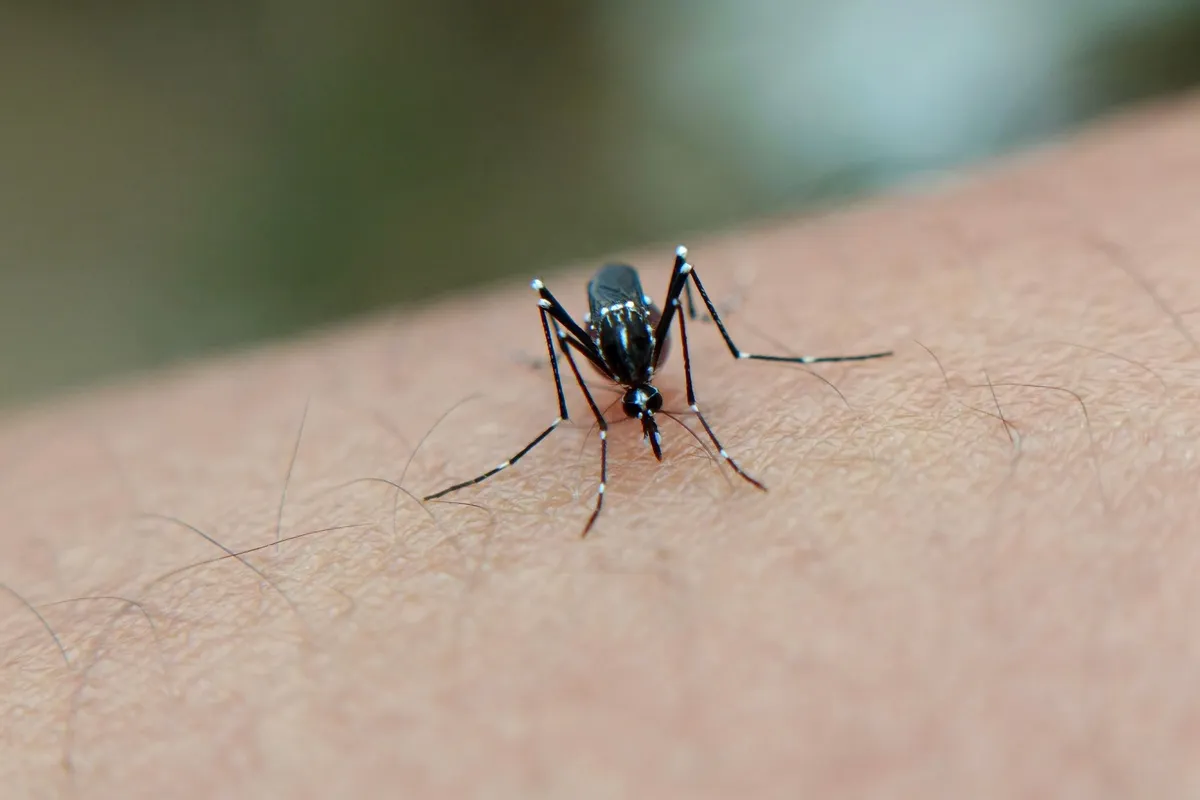
Mosquito control in Waco works best as two jobs done together: removing the water mosquitoes breed in, and treating the places adults rest when there are too many to live with. The Waco-McLennan County Public Health District puts the first job on every property owner, because a mosquito needs only a small amount of standing water to go from egg to biting adult. The second job is where a licensed pest control company comes in, usually after a yard has been cleaned up and the bites keep coming.
Need a pest control company in Texas?
Call (888) 204-8144 and describe what you are seeing. A partner call service checks whether a participating local pest control company serves your ZIP code and connects you. No form, no account.
Call (888) 204-8144Texas Pest Control Pro does not perform pest control. We may be paid when you call.
This guide explains what the Health District and the Texas Department of State Health Services (DSHS) recommend, what a professional mosquito treatment in a Waco yard usually involves, what to ask before you agree to a plan, and how to reach a company that serves your ZIP code.
The short answer for Waco homeowners
Start with water. The Waco-McLennan County Public Health District says a female mosquito lays up to 200 eggs at one time, and that it takes only 7 to 14 days for an egg to become another flying mosquito. Emptying containers once or twice a week breaks that cycle before it starts. If bites continue after the yard is drained, DSHS suggests treating the areas around front and back doors with a residual insecticide when mosquitoes are abundant nearby, and considering pesticide applications to vegetation around the home if the problem persists. That vegetation work is what most homeowners hire out.
Why one week matters so much
The 7 to 14 day window the Health District gives is the key number for planning. Water that sits for a week can already be producing adults. That is why both local and state guidance repeat the same rhythm: check and empty at least weekly.
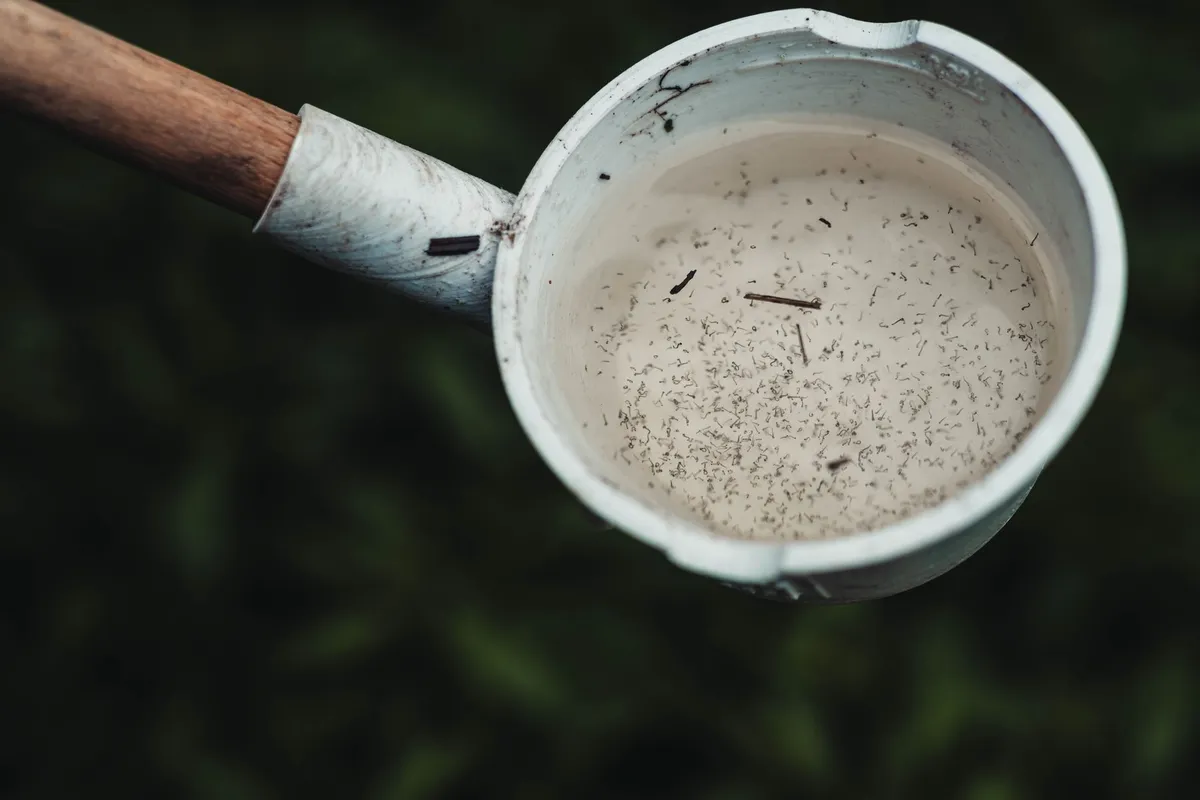
DSHS adds that mosquitoes can breed in as little as a tablespoon of water. In a typical Central Texas yard, that means the obvious places (buckets, old tires, birdbaths, kiddie pools) and the easy-to-miss ones: plant saucers, a tarp over a woodpile, a clogged gutter, the cover of a swimming pool, a toy left under a bush.
The weekly yard check the Health District asks for
The Health District’s prevention list for McLennan County is short and practical:
- Check rain gutters for clogs and clean them out.
- Remove discarded tires and other items that collect water.
- Look for containers or trash in places that are hard to see, such as under bushes or under the house.
- At least once or twice a week, empty water from flowerpots, pet food and water dishes, birdbaths, swimming pool covers, buckets, barrels and cans.
DSHS adds a few steps that fit Waco properties well: keep backyard pools and hot tubs chlorinated and free of debris, screen rain barrels and openings to tanks, water lawns so water does not stand for several days, and use mosquito dunks with larvicide in water that cannot be emptied or covered.
If you notice stagnant water nearby that is not on your property and has been there for a week or longer, the Health District asks residents to report it so it can assist. The City of Waco also has a mosquito ordinance, referenced on the same Health District page.
To check by phone whether a participating mosquito control company covers your street, call (888) 204-8144 and say that you are in Waco and how long the problem has been going on.
When to bring in a pest control company
The U.S. EPA describes mosquito control as an integrated approach with four tactics: remove habitats, use structural barriers, control mosquitoes at the larval stage, and control adult mosquitoes. In its guide to success in mosquito control, the agency says interventions against eggs and larvae are generally the most effective and least costly, but they are unlikely to be 100% effective when mosquitoes breed in varied and scattered places. That is the usual situation in a residential neighborhood, where your neighbor’s yard counts as much as yours.
A call to a professional makes sense when:
- you have drained what you can and bites continue at dusk or during the day,
- the property has water you cannot remove, such as an ornamental pond, a drainage area or a low corner that floods after rain,
- dense shrubs, ivy or tall grass give adult mosquitoes shady places to rest,
- you are planning an outdoor event and want the yard treated ahead of time.
What a mosquito treatment in a Waco yard usually includes
Plans vary by company, but the work maps onto the same tactics EPA and DSHS describe. Use this table to understand what each part does and what to ask about it.
| Part of the service | What it targets | Question to ask the company |
|---|---|---|
| Property inspection | Breeding sites and resting areas you may have missed | Will you show me the breeding sites you found and what I should change? |
| Larvicide in water that cannot be drained | Larvae before they become biting adults | Which product will you use, and where exactly will it go? |
| Residual treatment of vegetation and shady resting spots | Adult mosquitoes resting near the house | Which areas will be treated, and how long should people and pets stay off them? |
| Treatment around doors | Adults waiting near entry points (a step DSHS mentions when mosquitoes are abundant) | Is this part of the plan, or only on request? |
| Follow-up visits | New generations through the warm months | How often will you come back, and what happens if bites continue? |
Whatever the plan, the company should explain the product, the label directions it is following and any re-entry time for treated areas. If you keep bees, have a fish pond or a vegetable garden, say so at the start so the treatment can avoid those areas.
Why mosquito control is a health question in Texas
Mosquitoes in Texas are more than a nuisance. In its news release confirming the first West Nile case of 2026, DSHS reported 976 West Nile cases in the state over the last five years and 106 deaths attributed to the virus over the same period (2024 and 2025 figures are provisional). The agency notes that roughly 80% of infected people never have symptoms, roughly 20% develop West Nile fever, and less than 1% develop the more serious neuroinvasive disease.
The Health District says it will inform the community of any human cases of mosquito-borne disease in McLennan County. Yard control lowers the number of mosquitoes around your home, but it does not replace personal protection. If you have symptoms after mosquito bites, talk to a doctor.
Protecting your household while the yard is treated
The Health District teaches the “4 Ds”: Defend (use repellent), Drain (remove standing water), Day and Night (different mosquitoes bite at different times, so keep repellent on hand), and Dress (long sleeves and pants, loose and light-colored clothing).
Repellents it lists as approved and recommended are those containing DEET, picaridin, IR3535, oil of lemon eucalyptus (OLE), para-menthane-diol (PMD) or 2-undecanone, all EPA-registered. It also notes that products containing OLE or PMD should not be used on children under 3 years old. Read the label before applying any repellent.
Indoors, DSHS recommends keeping doors and windows closed or screened. Our guide to sealing the gaps in a Texas home covers the exclusion side, which also helps against other pests.
Checking the company before you sign
In Texas, structural pest control for hire is licensed by the Texas Department of Agriculture (TDA). Before you agree to a plan, look the business up; our guide on how to check a Texas pest control license walks through the TDA lists. Ask for the plan in writing, with the areas to be treated, the products and the visit schedule.
For the broader picture of pests around Waco homes, including termites and rodents, see our Waco pest control page and our statewide page on mosquito control in Texas.
Questions Waco homeowners ask
How fast can mosquitoes come back after I empty the water?
The Health District says it takes 7 to 14 days for an egg to hatch and become a flying mosquito. Emptying containers once or twice a week keeps that cycle from completing.
Is spraying the yard enough on its own?
EPA describes adult control as one of four tactics, alongside removing habitats, structural barriers and larval control. Treating adults without removing breeding water usually means the problem returns.
Who do I tell about standing water on a neighboring property?
The Waco-McLennan County Public Health District asks residents to report stagnant water that has been standing for a week or longer so it can assist.
Which repellents does the Health District recommend?
EPA-registered repellents containing DEET, picaridin, IR3535, oil of lemon eucalyptus, PMD or 2-undecanone. OLE and PMD products should not be used on children under 3.
How do I check the company that will treat my yard?
Structural pest control for hire in Texas is licensed by the Texas Department of Agriculture. Ask the company for its TDA business license number and check it, along with the technician, on TDA’s published lists.
Sources read on November 13, 2026: Waco-McLennan County Public Health District, General Sanitation Factors (mosquitoes); Texas Department of State Health Services, Mosquito-Borne Diseases and “DSHS confirms first West Nile case in Texas in 2026”; U.S. EPA, Success in Mosquito Control: An Integrated Approach. General information, not medical advice.
Checking what is available in your area
texaspestcontrolpro.com is a connection service. We do not perform pest control and we do not employ technicians. When you call, a partner call service checks whether a participating local pest control company serves your ZIP code and connects you; we may be paid when you call. Availability varies by area and by season, and you decide whether to move forward with anyone you speak to.
To check by phone, call (888) 204-8144 and describe where the mosquitoes are worst in your yard and whether there is water you cannot drain.