Termite Inspection in Texas: What It Covers, the WDI Report and the Cost
A termite inspection — a wood destroying insect (WDI) inspection in Texas — is how a licensed pest control company checks a house for termites, before a sale or when you see signs. Here is what it covers, what the official report says, what affects the price and what must happen before any treatment.
Need a termite inspection?
Call (888) 204-8144 and describe what you are seeing. A partner call service checks whether a participating local pest control company serves your ZIP code and connects you. No form, no account.
Call (888) 204-8144Texas Pest Control Pro does not perform pest control. We may be paid when you call.
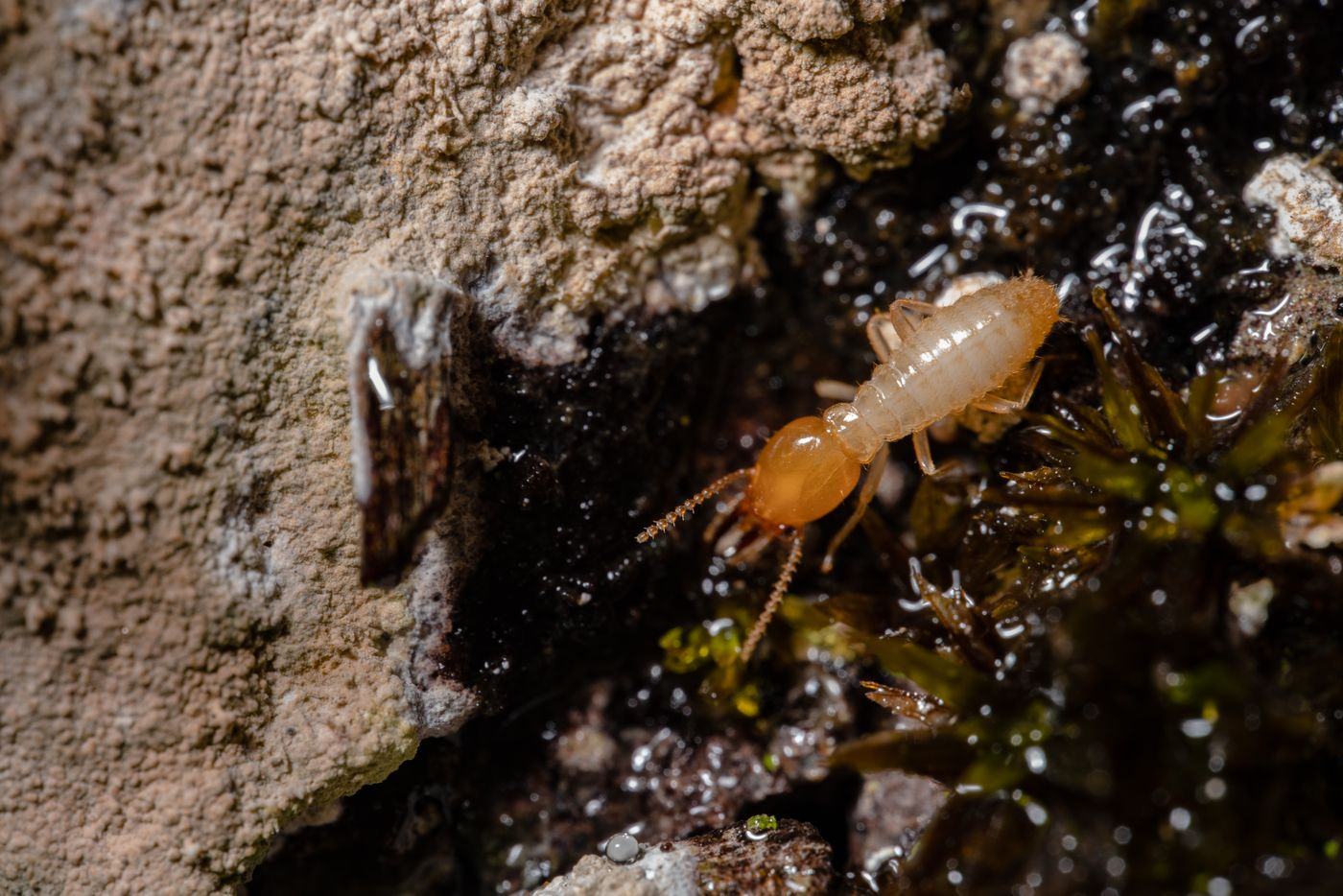
What the inspector looks at
In Texas the inspection is called a wood destroying insect (WDI) inspection, and it is done by a pest control company licensed by the Texas Department of Agriculture. According to the TDA, the inspector looks for evidence of previous treatments or infestations, any wood-destroying insects present and the damage they caused, and structural conditions that make the house especially vulnerable. The inspection covers areas that are readily accessible and where infestation is most likely; nothing is broken apart, dismantled or removed.
The TDA lists the conditions that invite termites, which the inspector notes:
- earth-to-wood contact;
- firewood stacked against the foundation;
- wood debris in the crawl space;
- wood mulch within 3 feet of the foundation;
- faulty grade (soil sloping toward the house);
- insufficient ventilation;
- moisture.
The official Texas report: SPCS/T-5
The result is written on the Official Texas Wood Destroying Insect Report, form SPCS/T-5. The TDA describes it as a prescribed form: no revisions or omissions are allowed. It is the report a buyer or a lender may ask for during a home sale.
Two limits are worth knowing before you read it. The TDA says the inspection is not a warranty that wood-destroying insects are absent, and it is not a structural damage report: a WDI inspector is not expected to be a construction expert able to judge the extent of structural damage.
What a termite inspection costs
The TDA’s own answer is that the cost of an inspection varies and that the fee is usually small. We do not publish price ranges, because no official Texas source does. What usually changes the quote is the size of the house, how easy the crawl space and attic are to reach, whether you need the formal SPCS/T-5 report for a sale, and whether the visit is combined with a treatment proposal. Ask for the price before the visit — it is the first question to ask when you call (888) 204-8144.

Subterranean or drywood termites?
The TDA separates the two kinds Texas homeowners deal with. Subterranean termites are often noticed when they swarm, usually in spring, and by the mud shelter tubes they build on walls, joists, piers, chimneys and plumbing. Drywood termites have no link to the soil; they can show up as blisters on wood surfaces and as wings or small piles of sawdust-like waste near windows and on floors. For drywood termites the TDA lists three options — spot treatment, fumigation or removal of infested wood — and calls a wood-penetrating gas fumigant the only sure way to get them all. See our termite control guide for the treatment methods.
If termites are found: paperwork before any treatment
At the time a bid is submitted and before treating, the company must give you termite treatment disclosure documents. The TDA lists what they must include: a diagram of the structure, the label of the pesticide and its proposed concentration, the complete warranty details, definitions of the types of treatment, and the signature of the certified applicator or licensed technician. A proposal on the back of a business card is not acceptable. More detail in the termite treatment paperwork the TDA requires.
Check the license first
Companies need a license from the TDA’s Structural Pest Control Service to provide pest control for hire. Ask for the license number and verify it — see how to check a Texas pest control license.
Questions homeowners ask
Does a clean report mean there are no termites?
Not necessarily. The TDA notes that termites work from the inside out and are often hard to detect, especially drywood termites that never leave the wood. The report covers visible evidence in accessible areas only.
Can a new house have termites?
Yes. The TDA says termites have been found in buildings as early as four days after construction, and that chemical or mechanical barriers can be put in place during construction.
What if a termite treatment did not work?
Talk to the company first. If that fails, the TDA’s Structural Pest Control Service accepts complaints it has authority over and advises not to repair or re-treat before its inspector has seen the damage. It cannot force a company to pay damages.
How do I book an inspection?
Call (888) 204-8144. A partner call service checks whether a participating pest control company serves your ZIP code and connects you, so you can ask about the price and the date.
Related: termite control in Waco, what a pest control quote should include, signs you need pest control.
Sources, consulted November 8, 2026: Texas Department of Agriculture — Termite FAQs; Texas Department of Agriculture — Structural Pest Control Service.